How to Sell a House in Fort Worth: The Timeline
Selling a house in Fort Worth takes about 105 to 115 days from the day you decide to the day you hand over the keys. About three weeks of that comes before anyone sees the listing: one week to set the price and sign the agreement, then two weeks of prep that my listing service pays for. The Tarrant County median time on market runs 51 days, and the Dallas-Fort Worth metro median runs 58 days, per Realtor.com research data for August 2026. The rest of the calendar is the option period, appraisal, title work, and underwriting, which typically runs another five to six weeks. These are typical ranges. Half of all listings sit longer than the median, so a slower listing can push the total past four months.
Cleaning, repairs, yard work, staging, and a pre-listing inspection all come due before any sale proceeds arrive. That is why sellers skip them and then absorb a price reduction in week 6. Steps 2 through 4 below are the three that normally cost the most out of pocket, and they are the three I pay for.
This post covers the calendar. My post on seller strategy covers the plan and the decisions inside it, and the Fort Worth market page carries the current numbers I price against.
Snapshot
A Fort Worth sale at a glance
The numbers that set the calendar, before the step-by-step.
- Decision to keys
- About 105 to 115 days
- Before the listing goes live
- About 3 weeks of pricing, prep, staging, and inspection
- Tarrant County median time on market
- 51 days (Realtor.com, Aug 2026)
- DFW metro median time on market
- 58 days (Realtor.com, Aug 2026)
- Tarrant County median listing price
- $369,900 (Realtor.com, Aug 2026)
- Typical option period
- 5 to 10 days from the effective date
- Offer to closing
- About 5 to 6 weeks
- Your cost before closing with me
- $0, plus a $500 closing credit
Typical ranges. Price band, condition, and the buyer's loan type all move the calendar.
The Fort Worth Selling Timeline at a Glance
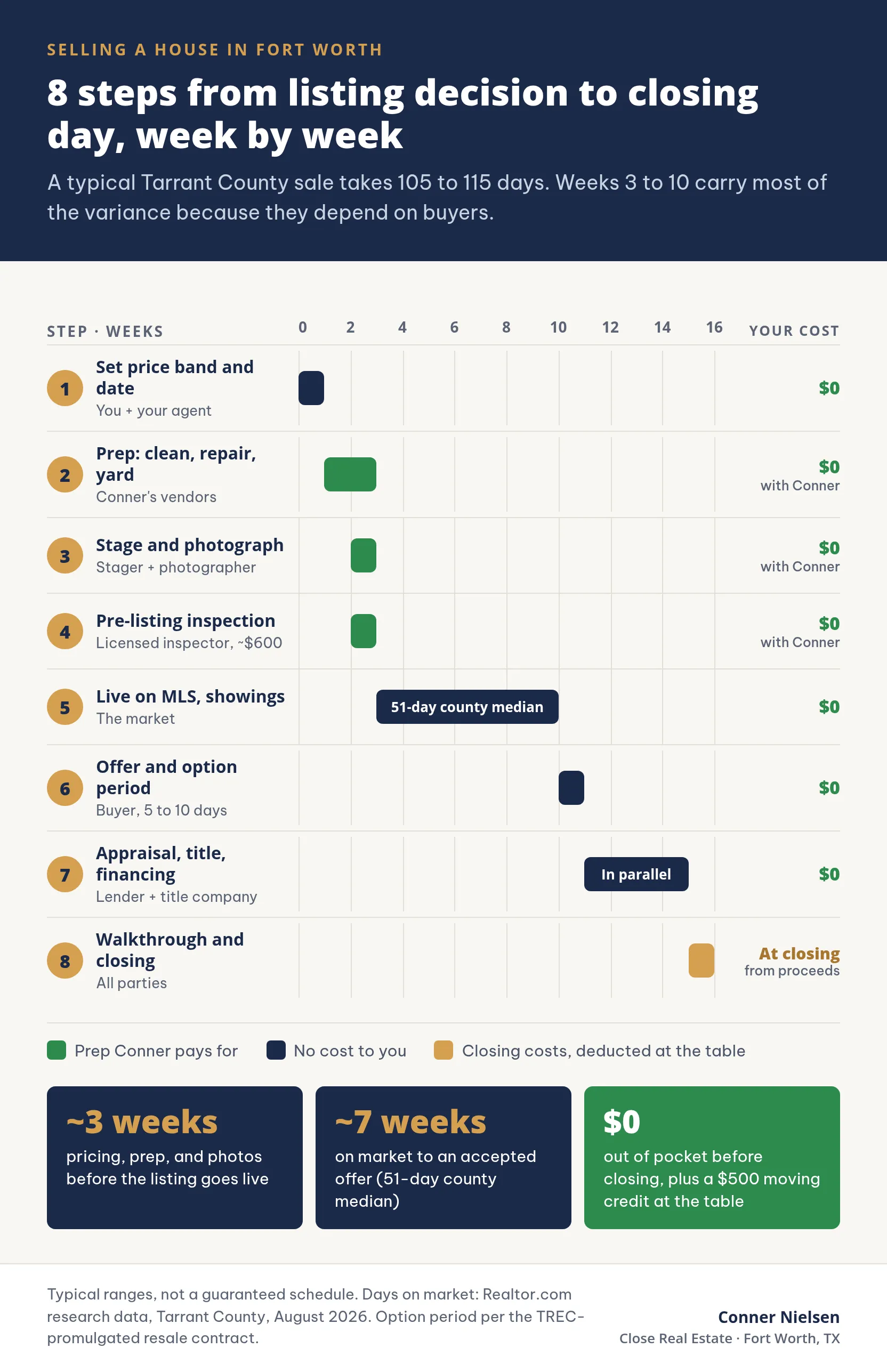
Total is roughly 105 to 115 days from decision to keys, anchored to the Tarrant County median time on market of 51 days (Realtor.com research data, Aug 2026). Weeks 3 through 10 carry almost all of the variance, because that stretch depends on buyer behavior rather than on anything you or I schedule. Weeks 0 through 2 can be shortened only by cutting prep, staging, or the inspection, and each of those cuts usually costs more at the offer stage than the week is worth.
Step 1. Set Your Price Band and Your Date
Week 0 to 1
What happens: you pick a price band and a target closing date, and you sign a representation agreement. Who does it: you and your agent together. What it costs: nothing.
Pricing starts with recent closed sales on comparable houses near you, adjusted for condition, square footage, and lot. A portal estimate is a guess built from public records, so I run the home value analysis against actual Tarrant County closings instead. The output is a price band.
The net-proceeds figure matters more than the list price, because it decides whether this sale funds your next purchase. Ask for it in writing before you sign anything.
Count back 105 to 115 days from the day you need to be out to find the week the listing has to go live.
The representation agreement is the other week-one item. In Texas your agent hands you the brokerage services disclosure required by the Texas Real Estate Commission, then a separate listing agreement that sets the term, the fee, and the termination conditions. Read both before you sign. My version has no lock-in, and the card reads: “No 6-month buyer agreements and no exclusive listings with lock-in clauses. Send me a text and the representation ends that day.” The full scope of the listing agent job is covered in a separate post.
What to gather in week 1
A document nobody can find in week 14 can hold up a closing. Pulling these while the house is being prepped costs nothing and takes an afternoon.
Checklist
Week 1 document pull
Put these in one folder, paper or digital, before the listing goes live.
- Your existing surveyIf nothing on the lot has changed, the title company may accept it with a signed T-47 residential real property affidavit instead of ordering a new survey.
- Mortgage and lien detailsLender name, loan number, and any home equity line, so the title company can order payoffs without a chase.
- HOA contact and documentsTexas Property Code Chapter 207 requires the association to supply a resale certificate. Ordering it early keeps it off the critical path.
- Receipts and warrantiesRoof, HVAC, foundation work, and water heater, with dates. Buyers and appraisers both read them.
- Twelve months of utility billsBuyers ask, and an answer in hand beats an estimate.
- Your most recent property tax statementTaxes are prorated at closing, and exemptions you hold affect the figure.
- Every key, code, and remoteDoors, garage, gate, mailbox, and alarm. Collect them now instead of on moving day.
If you inherited the house, tell me in week 1. Heirship paperwork is the slowest title issue to clear.
Step 2. Prep the House
Weeks 1 to 2
What happens: deep cleaning, the repair list, and yard work. Who does it: my vendors, coordinated by me. What it costs you: nothing.
The repair list covers only safety items, anything that does not function, and anything a buyer sees in the first thirty seconds. Renovations that push the house above its block are a poor use of these two weeks.
Sellers often skip prep because it is paid up front, so my guarantee covers it. Card 4 reads: “Cleaning, repairs, yard work, and staging. I pay for the prep before your listing goes live, so you write zero checks before the sign goes up.” The vendors bill me directly, and nothing is deducted from your proceeds for it at closing.
If you are weighing skipping prep entirely, my post on selling as is works through the arithmetic of what the discount usually runs against what the prep would have cost. Run that math before you decide.
Two weeks is the normal window. It compresses to one if the house is already in good shape and stretches past three if a trade is backed up.
Checklist
The prep list, in priority order
Work top to bottom. The first items affect safety and function, the later ones affect first impressions.
- Safety itemsMissing smoke detectors, exposed wiring, loose handrails, and trip hazards. A buyer's inspector writes these up first.
- Anything that does not workDead outlets, stuck windows, dripping faucets, a garage door that reverses. Small, cheap, and visible in every showing.
- Deep cleanCarpets, grout, baseboards, inside the oven, and windows inside and out.
- Curb and yardMow, edge, trim back from the roof and siding, fresh mulch in the beds, and a clean front door.
- Paint where it is scuffed or loudTouch up high-traffic walls and trim. Repaint only rooms in a color most buyers would redo.
- Declutter and depersonalizeClear counters, thin out closets by half, and box up family photos before the stager arrives.
Step 3. Stage and Photograph
Week 2
What happens: staging, then professional photography. Who does it: a stager and a photographer I hire. What it costs you: nothing.
Staging affects your sale price. Buyers shop by photo first, so the photos drive how many showings you get, and more showings bring more offers. Furniture placement, lighting, and clearing personal items are the levers.
Photography happens after staging and yard work are complete. Reshooting because a room was not ready costs a week, and that week pushes your closing date.
Both are covered under the same prep guarantee as step 2. You approve the staging plan and the photo set without paying for either.
Photo day
The morning of the shoot
Photos run for the life of the listing, so the hour before the photographer arrives is worth doing carefully.
- Every light on, every blind openReplace dead bulbs and match color temperature room to room.
- Counters clearedKitchen and bathrooms down to one or two staged items.
- Cars out of the drivewayTrash bins, hoses, and yard tools out of sight too.
- Pets and their gear awayBowls, beds, crates, and litter boxes.
- Toilet lids down, towels matchedSmall items that show up in every bathroom photo.
- Ceiling fans and TVs offMoving blades blur and screens reflect the flash.
Step 4. Get the Pre-Listing Inspection
Week 2
What happens: a licensed inspector walks the house and issues a report before the listing goes live. Who does it: an inspector I schedule. What it costs: roughly $600, paid by me.
Texas does not require a seller to obtain an inspection. It does require the Seller’s Disclosure Notice covering defects you know about, and the inspection sharpens that document. A house built before 1978 also needs the federal lead-based paint disclosure covering any known lead hazards.
An inspection in week 2 gives you leverage. A buyer’s inspector will find the same items in week 10, when the findings arrive as a repair demand with a termination deadline attached. Finding them yourself means you choose the response: fix it, price for it, or disclose it and move on. Card 1 reads: “Buyer or seller, I pay for the home inspection out of my own pocket. You see every issue before signing anything.”
Foundation, roof, HVAC, and electrical are the four systems North Texas buyers scrutinize, and a problem in any of them costs the most to resolve when it surfaces in week 10.
| Feature | What the inspector checks | Why buyers here care | Your options in week 2 |
|---|---|---|---|
| Foundation | Slab cracks, sloping floors, sticking doors, gaps at trim | North Texas clay soil expands and shrinks with moisture, so slab movement is common | Get a structural engineer's letter, repair with a transferable warranty, or price for it |
| Roof | Missing or lifted shingles, hail marks, flashing, age | Hail is frequent here, and insurers price roof age and condition | Repair, check whether an insurance claim applies, or disclose with a roofer's estimate |
| HVAC | Age, cooling performance, service records, drainage | Summer cooling load is heavy, and replacement is a large bill | Service it and keep the receipt, or offer a credit or home warranty |
| Electrical | Panel type and capacity, grounding, GFCI protection, DIY wiring | Older panels and ungrounded circuits can complicate insurance | Have a licensed electrician correct safety items and document the work |
Each of those options is cheaper and calmer in week 2 than in week 10. In week 2 you choose a vendor and a price. In week 10 the buyer’s repair request sets the scope and the option deadline sets the pace.
Step 5. List, Show, and Read the First Ten Days
Weeks 3 to 10
What happens: the listing goes live on MLS and showings begin. Who moves it: the market. What it costs you: nothing.
A new listing gets its largest audience in the first ten days, and the showing activity in that window is the clearest pricing feedback you get. Steady showings with no offers usually means the price draws traffic but something in person is stopping buyers, most often condition or layout. Very few showings means the price is filtering buyers out before they ever book.
The median Tarrant County listing spends 51 days on the market, and the Dallas-Fort Worth metro median runs 58 days, per Realtor.com research data for August 2026. Because the county median runs about seven weeks, a quiet first ten days is normal and is not by itself a reason to cut the price.
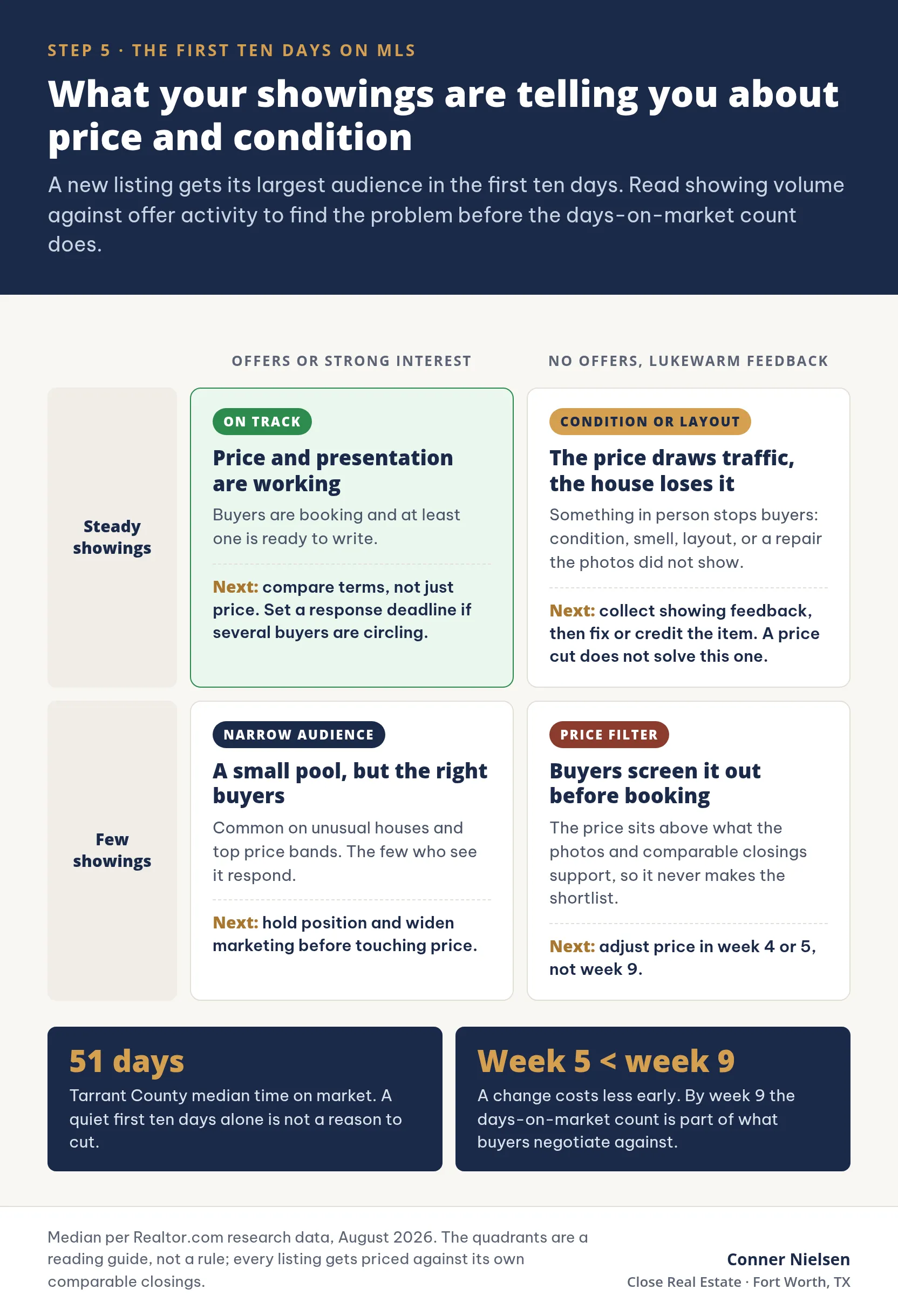
The decision that follows is a price adjustment, a condition fix, or holding position. A change in week 5 costs less than the same change in week 9, because by then the days-on-market count is itself part of what buyers are negotiating against.
Showing feedback is the other input. After each showing I ask the buyer’s agent for a one-line response, and I send you the collected answers each week. Three agents naming the same room or the same repair is a signal worth acting on. A single comment about paint color rarely justifies a change.
I send you updates during this stretch, good news or bad. Card 9 reads: “If I’m late, dishonest, or drop a ball on any commitment, I Venmo or Zelle you $100 on the spot.”
Step 6. Offers, the Option Period, and the Buyer's Inspection
Weeks 10 to 11
What happens: an offer arrives, you negotiate terms, and the buyer’s option period runs. Who moves it: the buyer. What it costs you: nothing.
Closing date, financing type, option period length, requested concessions, and deposit size all change what an offer is worth to you, and price is only one term among them. A cash offer at a lower number frequently nets more than a financed offer at a higher one, because it removes the appraisal and the underwriting from your timeline.
| Feature | Cash | Conventional loan | FHA or VA loan |
|---|---|---|---|
| Lender appraisal | None, unless the buyer orders one | Required by the lender | Required, and the appraiser also checks minimum property standards |
| Underwriting | Proof of funds only | Full underwriting | Full underwriting plus program rules |
| Typical time from contract to closing | Shortest, often limited by title work | Longer, set by the lender | Longer, and repairs flagged by the appraiser can add time |
| What to check at the offer stage | A current proof-of-funds statement | The pre-approval letter and lender contact | The pre-approval, and whether the house has items an FHA or VA appraiser may flag |
When more than one offer arrives
With several buyers interested, I ask every agent for their best terms by a stated deadline, then lay the offers side by side for you on net proceeds, closing date, financing, option period, and repair expectations. You can accept an offer outright, counter a single buyer, or counter several in writing. In Texas a seller may counter more than one buyer, but accepting two contracts on the same house is a problem, so every counter in a multiple-offer round needs clear language that it does not bind you until you confirm it in writing. I draft that language with you before anything goes out.
Under the TREC-promulgated resale contract, the buyer pays an option fee for an unrestricted right to terminate during a negotiated window, commonly 5 to 10 days from the effective date. During that window the buyer inspects, and your house is off the market whether or not the deal survives. The deposit is a separate amount held in escrow, and my post on earnest money explains how the two interact.
Expect a repair request near the end of the option period. If you did step 4, you already know what is in that report and how you intend to answer it.
Step 7. Appraisal, Title, and Financing
Weeks 11 to 15
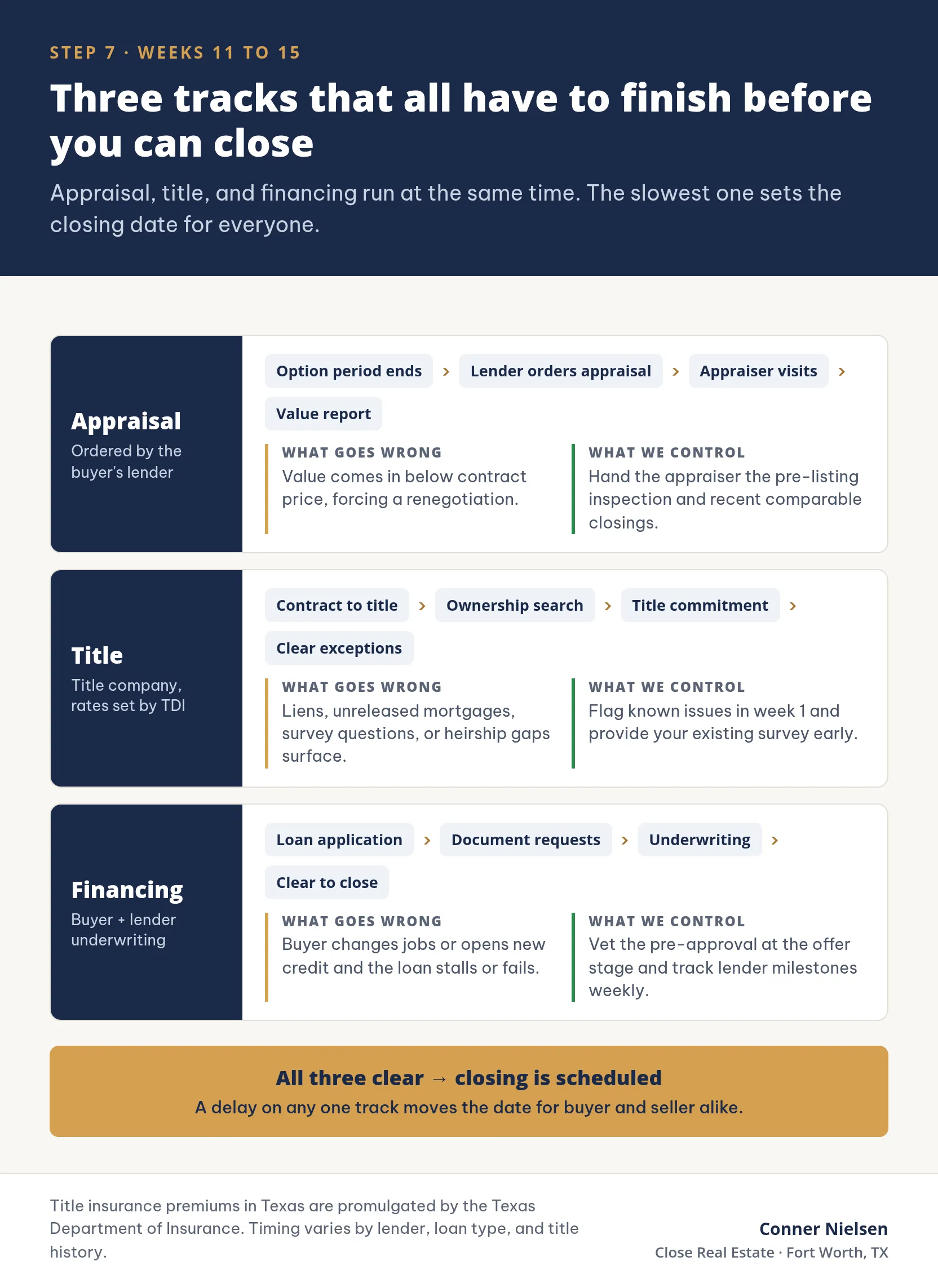
What happens: three processes run in parallel. Who moves them: the lender and the title company. What it costs you: nothing until closing.
The appraisal is ordered by the lender once the option period closes. An appraisal below the contract price forces a renegotiation, and the usual paths are the buyer covering the gap in cash, a price reduction, or a split. Supplying the appraiser with the pre-listing inspection and recent comparable closings is the only part either of us influences.
How much room there is after a low appraisal depends on the Third Party Financing Addendum the buyer signed. That TREC form lets the buyer keep, partly waive, or fully waive the right to terminate over a low appraisal, and the choice they made at the offer stage decides whether a gap becomes a negotiation or an exit. I read that paragraph with you before you accept a financed offer.
Title work runs at the same time. The title company researches the chain of ownership and issues a commitment listing anything that has to be cleared: liens, unreleased mortgages, survey boundary questions, or heirship gaps on an inherited property. Title insurance rates in Texas are set by the Texas Department of Insurance rather than by the title company, so the premium is not a negotiation. On a $369,900 sale (the Tarrant County median listing price, Realtor.com research data, Aug 2026), the TDI-promulgated basic premium for the owner’s title policy runs about $2,113 under Rate Rule R-1 of the Texas Title Insurance Basic Manual, at the rates effective March 1, 2026. In Texas the seller customarily pays for the owner’s policy, and that premium is one of the closing-cost line items deducted from your proceeds in step 8.
Financing is the third process and the one most likely to delay closing. Underwriting asks for documents in waves, and a buyer who changes jobs or opens a credit line during this stretch can lose the loan outright. A delay in any one of the three moves the closing date for everyone.
Step 8. Final Walkthrough and Closing
Weeks 15 to 16
What happens: the buyer walks the house, then both sides sign at the title company. Who moves it: all parties. What it costs: closing costs, deducted from your proceeds.
Before the walkthrough, complete every agreed repair and keep the receipts. Leave the utilities on. Remove everything you are taking and leave anything the contract says conveys. Most walkthrough disputes come from a repair receipt nobody can produce or an appliance that was supposed to stay.
At the table you sign the deed and the settlement statement, the title company disburses, and funding usually lands the same day or the next business morning. Seller closing costs are withheld from proceeds rather than paid separately, which is why the seller cost in the timeline above stays at $0 until this step.
My last item is the moving credit, card 8: “A $500 closing credit for buyers and sellers, applied toward movers, boxes, or the first night’s takeout. Yours when you close.”
Selling and Buying at the Same Time
Most of my Fort Worth sellers are also buying, which adds a second calendar to the one above. There are two common ways to line them up, and each one gives up something.
| Feature | Sell first | Buy first |
|---|---|---|
| How it works | Close your sale, then buy with the proceeds in hand | Put the next house under contract, contingent on your sale |
| TREC form usually involved | Seller's Temporary Residential Lease, if you stay after closing | Addendum for Sale of Other Property by Buyer |
| Main advantage | You know your exact proceeds and shop as a strong buyer | You lock in the next house before you give up this one |
| Main cost | You may need a short lease-back or a temporary place | Your offer is weaker, and the seller can keep marketing their house |
| Fits best when | You need the proceeds for the down payment | The next house is scarce and you have financing for both |
A lease-back is the middle path. You close on your sale, stay in the house for an agreed number of days under the temporary lease, and use the proceeds to close on the next one. It needs a buyer willing to wait, so I raise it at the offer stage instead of after the contract is signed.
What Slows a Fort Worth Sale Down
The 105 to 115 day range assumes nothing unusual happens. These are the delays I see most often, the step where each one appears, and how it gets headed off.
| Feature | Where it shows up | How to head it off |
|---|---|---|
| Prep runs long because a trade is booked out | Step 2, weeks 1 to 2 | Book vendors the week you sign, and keep the repair list to safety and function |
| List price above the comparable closings | Step 5, weeks 3 to 10 | Price from closed sales, and read the first ten days honestly |
| Surprise findings in the buyer's inspection | Step 6, weeks 10 to 11 | Get the pre-listing inspection in week 2 |
| Appraisal below contract price | Step 7, weeks 11 to 15 | Give the appraiser comparable closings, and check the buyer's appraisal terms at the offer |
| Title exceptions such as old liens or heirship gaps | Step 7, weeks 11 to 15 | Tell the title company about known issues in week 1 |
| Buyer's loan stalls in underwriting | Step 7, weeks 11 to 15 | Vet the pre-approval and the lender before accepting |
| Repair receipts or conveyed items missing at walkthrough | Step 8, weeks 15 to 16 | Keep receipts in the week 1 folder and follow the contract on what stays |
What This Costs You Out of Pocket
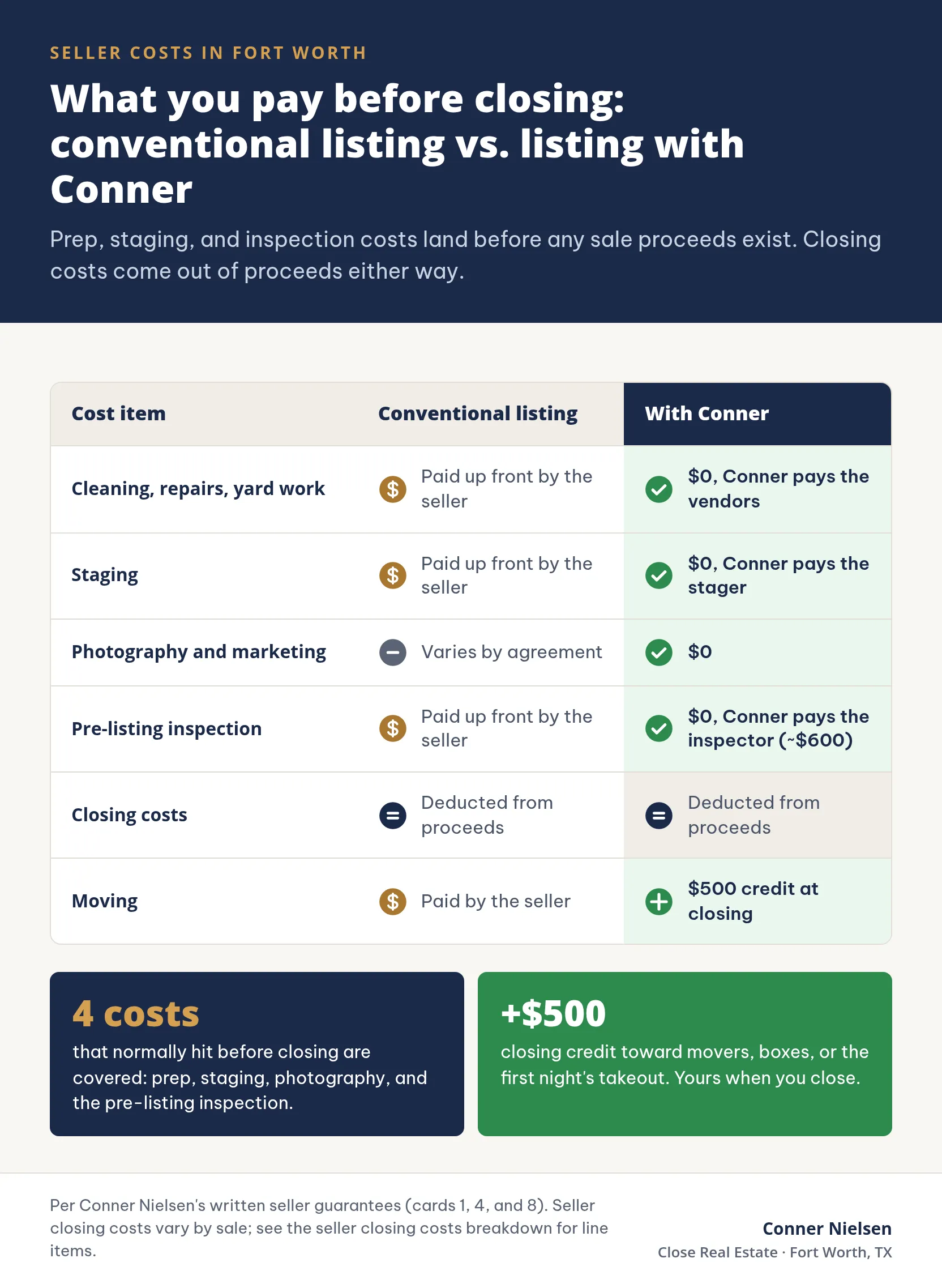
The closing-costs row is the same either way, because closing costs come out of the sale proceeds. My breakdown of seller closing costs carries those line items with dollar ranges against a Fort Worth sale price.
Tax on the gain is a separate question from closing costs. IRS Publication 523 sets the rules for excluding up to $250,000 of gain, or $500,000 for a married couple filing jointly, on a home you owned and lived in for at least two of the five years before the sale. Confirm your own numbers with a tax professional.
The two columns differ in the first four rows and the $500 moving credit. Those four costs land before any proceeds exist, when a seller has the least cash on hand, and that is why so many houses reach the market unprepared.
Your Week-by-Week Seller Checklist
Take this with you
Selling a house in Fort Worth, week by week
Print it and tick it off as you go. The steps match the timeline at the top of this guide.
- Week 0 to 1: price band, target date, signed agreementGet the net-proceeds estimate in writing and count back from your move-out date.
- Week 1: document folderSurvey, payoff details, HOA contact, receipts, utility bills, tax statement, keys.
- Weeks 1 to 2: prepSafety items, anything broken, deep clean, curb, touch-up paint, declutter.
- Week 2: staging, photos, pre-listing inspectionApprove the staging plan and the photo set, and decide your response to every inspection item.
- Weeks 3 to 4: first ten days liveTrack showings and feedback, then decide on price, condition, or holding position.
- Weeks 10 to 11: offer and option periodCompare terms as well as price, and have your repair answers ready.
- Weeks 11 to 15: appraisal, title, financingAnswer title questions quickly, finish agreed repairs, and book movers.
- Weeks 15 to 16: walkthrough and closingUtilities on, receipts in hand, conveyed items left, keys and remotes on the counter.
Your weeks will shift with price band, condition, and the buyer's financing. The order stays the same.
Start With the 10-Minute Call
If you are in week 0 right now, the next step is a conversation about your date and your band. Book a free 10-minute Initial Consultation to get a price range from actual comparable closings, a net-proceeds estimate, and a target listing week counted back from the day you need to be out. There is no obligation attached to it.
The rest of what I put in writing, including the prep coverage, the inspection, and the moving credit, is listed on my written guarantees page. My seller services page covers everything else in the listing side.
Frequently Asked Questions
How long does it take to sell a house in Fort Worth?
Plan on 105 to 115 days from the decision to the closing table. That splits into about three weeks of pricing, prep, and photography before the listing goes live, about seven weeks on market to an accepted offer (the Tarrant County median is 51 days, per Realtor.com research data for August 2026), and another five to six weeks of option period, appraisal, title work, and lender underwriting. That range is typical, and price band, condition, and the buyer's loan type all shift it. Half of listings take longer than the 51-day median, so a slower listing can push the total past four months.
What do I need to do before listing my house?
Do four things in this order: settle on a price band and a target closing date, complete cleaning and repairs and yard work, stage and photograph the house, and get a pre-listing inspection. That sequence takes about three weeks. For my sellers the last three are handled and paid for by me, so the only item that costs you anything before closing is your own time.
Do I have to pay for staging?
No. With me, cleaning, repairs, yard work, and staging are all covered under my seller prep guarantee, and I pay for them before the listing goes live. With a conventional listing arrangement, staging is a seller expense paid up front, which is the main reason sellers skip it and then take the price cut later.
Should I get an inspection before I list?
Yes. A pre-listing inspection puts the findings in your hands while you still control the response, which means you fix or price for the issues on your schedule instead of negotiating against a buyer's report in week 10. A Texas seller is never required to obtain one. I pay for it out of my own pocket, roughly $600, so the decision does not cost you anything.
Can I cancel a listing agreement in Texas?
It depends on the agreement you signed. Most listing agreements in Texas run for a fixed term and spell out the conditions for early termination, and some carry a protection period after expiration. Read the term and the termination clause before you sign. My version has no lock-in: send me a text and the representation ends that day.
What does it cost to sell a house in Fort Worth?
With me, you pay $0 before closing. Prep, staging, and the pre-listing inspection are covered, so you write no checks before the sign goes up. At closing, the standard seller items (commission, the owner's title policy, escrow and recording fees, survey, prorated taxes, and any negotiated repair credits) are deducted from your proceeds rather than paid from your bank account. I break those line items down with dollar figures in my post on seller closing costs in Texas.
Can I sell my Fort Worth house and buy another one at the same time?
Yes. The two common structures are selling first and staying in the house on a short lease after closing, which uses the TREC Seller's Temporary Residential Lease, or buying first with a contract made contingent on your sale, which uses the TREC Addendum for Sale of Other Property by Buyer. Selling first gives you the cash and certainty but needs a place to land. Buying first secures the next house but makes your offer weaker to that seller. I work out which one fits your numbers and dates on the first call.
Related Articles

What Is a Listing Agent? What They Owe You in Texas
A listing agent represents the seller. What the role covers in Texas, what the listing side costs, and the four contract terms worth reading twice.
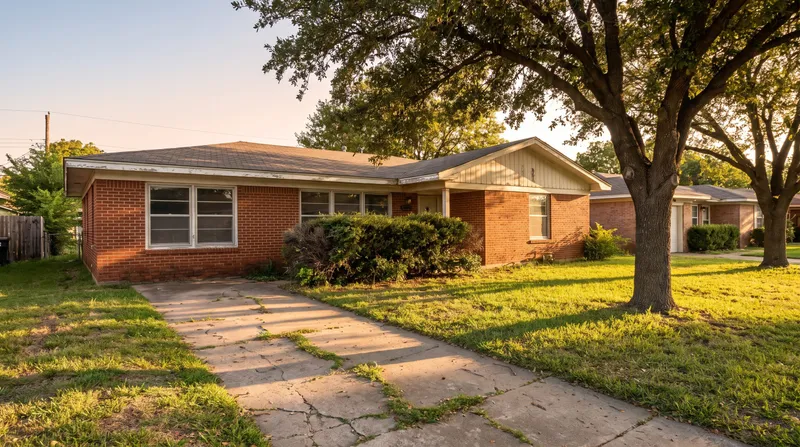
Selling a House As Is in Texas: What It Actually Costs
As-is means two different transactions in Texas, and only one costs you 15%. The arithmetic on the Fort Worth median, and what the law still requires.
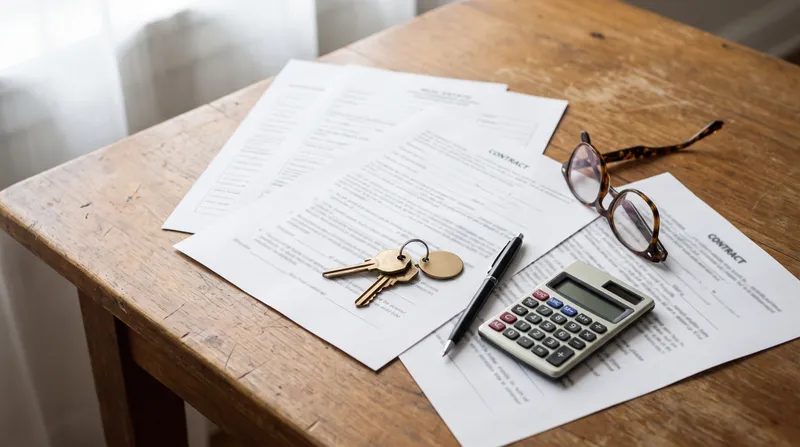
The Complete Guide to Closing Costs for Sellers in Texas
Discover closing costs for sellers in Texas. Learn what fees to expect, how to save money, and get expert tips. Book your free consultation today!