The Complete Guide to Closing Costs for Sellers in Texas
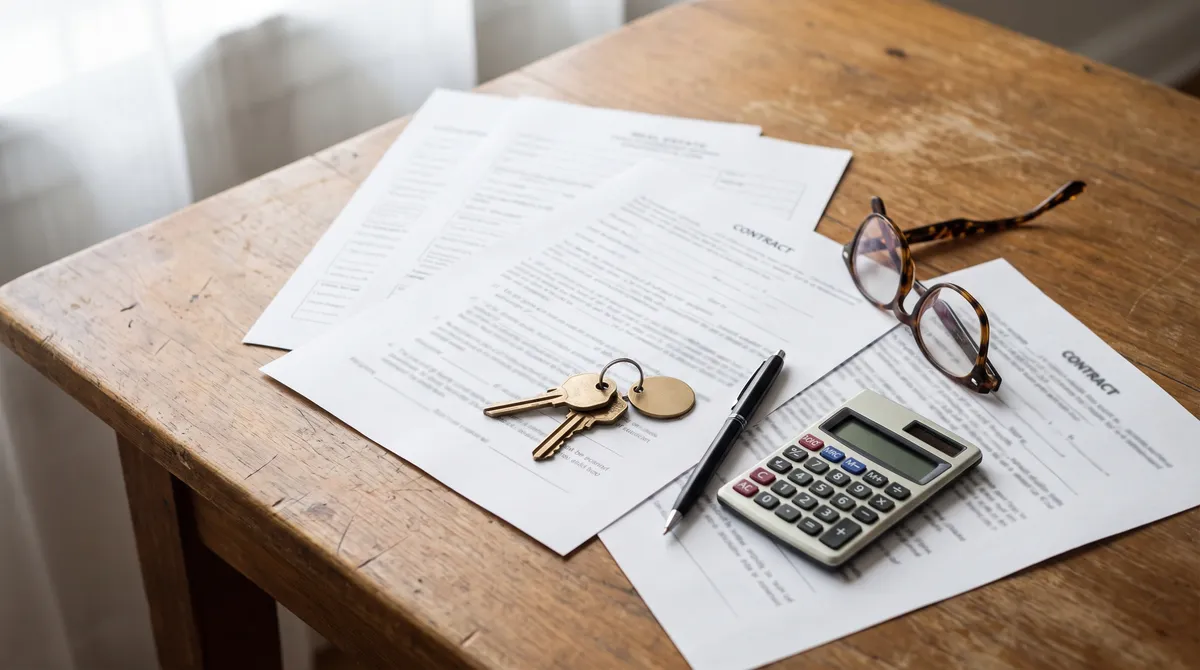
Here’s something most Texas sellers don’t realize until they’re at the closing table: Texas has unique closing cost customs that can catch you off guard if you’re not prepared. While sellers in other states might split title insurance costs differently, Texas sellers commonly cover the owner’s title policy and must credit buyers for year-to-date property taxes, which can mean thousands of dollars at closing.
Here’s the thing, though: most closing costs for sellers in Texas are either negotiable or avoidable with the right strategy. You’ll get a clear breakdown of typical ranges, learn which fees you can negotiate, and discover practical ways to protect more of your proceeds. When I work with sellers, I cover the prep work, staging, and inspection upfront so you’re not hit with surprise costs that eat into your net.
Ready to see exactly what you’ll pay and how to keep more money in your pocket? Conner Nielsen offers a free 10-minute consultation to get a personalized breakdown of your exact costs and savings opportunities.
What Sellers Actually Pay at Closing in Texas
When busy families ask me what typical closing costs for home sellers in Fort Worth are, I get it - you’re juggling work, kids, and a move, and the last thing you need is a surprise bill at closing. Texas has its own customs that differ from those of other states, and knowing these upfront keeps you from getting blindsided.
Texas Title Insurance: The Seller’s Standard Responsibility
In Texas, sellers customarily pay for the owner’s title insurance policy, though this is negotiable between parties. According to the Texas Land Title Association, title insurance rates are regulated and standardized by the Texas Department of Insurance, so premiums are the same across companies. The Texas Department of Insurance confirms that while the premium is set by the state, who pays it can be negotiated. Most sellers cover this cost because it makes offers cleaner and speeds up acceptance.
Property Tax Prorations Hit Hard
Property taxes in Texas are paid in arrears, meaning you owe taxes for the entire year, even if you sell mid-year. At closing, sellers pay the buyer back for the taxes covering the time the seller lived in the home that year. This can be a big chunk of change. Texas National Title explains that tax prorations often surprise sellers because the amounts can reach several thousand dollars, especially with Texas property tax rates.
Commissions and Concessions Are Your Call
Here’s where many sellers get confused: commission structures and buyer credits aren’t set in stone. These are business decisions that should align with your pricing strategy and market conditions. A higher commission might bring more showings, while buyer credits can help close deals without dropping your list price. Focus on what actually hits your bank account, not individual line items. Want to see exactly what your closing costs will look like? I’ll break it down in black and white during our free consultation.
Itemized Texas Seller Closing Costs (With Typical Ranges)
Here’s the straight scoop on what comes out of your proceeds when you sell in Texas. I’ve broken down this Texas seller closing cost breakdown so you can plan ahead and avoid any surprises at the closing table.
| Cost Category | Typical Payer (TX) | Typical Range | Negotiable? | Notes |
|---|---|---|---|---|
| Owner’s Title Policy | Seller | $1,200-$2,800 | Yes | Title insurance rates are state-set, but who pays this is negotiable. Many sellers pay this for smoother offers. |
| Escrow/Closing Fee | Split or Seller | $400-$800 | Yes | Title company administrative fee. You can negotiate who pays or shop companies. |
| Survey | Seller | $400-$700 | Yes | Provide your existing acceptable survey to avoid this cost entirely. |
| HOA Docs/Resale Certificate | Seller | $200-$500 | Timing Only | Required forms for condos/HOAs. Order early to avoid rush fees. |
| Property Tax Proration | Seller | $2,000-$8,000+ | No | You’ll credit the buyer for taxes you haven’t paid yet this year. |
| Home Warranty | Negotiable | $450-$650 | Yes | Optional buyer protection. Can be your concession or buyer’s purchase. |
| Recording/Courier Fees | Varies | $100-$300 | Rarely | Document filing and delivery costs. Not much wiggle room here. |
| Inspection Repairs/Credits | Seller | $500-$5,000+ | Yes | Negotiate credits vs. actual repairs to cap your exposure. |
| Buyer Concessions | Seller | Variable | Yes | Closing cost credits to strengthen offers. Factor into your net proceeds. |
The beauty of working with someone who covers your seller prep and provides a paid pre-inspection is that you sidestep the surprise repair credits that usually surface late in a deal. Title insurance premiums are the same no matter which company you use, so focus your energy on negotiating who pays rather than shopping around for better rates.
How To Reduce Closing Costs as a Texas Seller
When you’re juggling work and family while trying to sell your home, every dollar counts toward your next chapter. The good news is that how sellers in Texas reduce their closing costs comes down to a few smart moves that don’t require you to become a real estate expert.
I’ve seen families save thousands by knowing which costs are actually negotiable and which strategies work best in our Texas markets. Here’s what makes the biggest difference:
-
Use your existing survey and T-47 disclosure to avoid paying $400-700 for new surveying work.
-
Time your closing date to reduce the tax proration hit on your final proceeds.
-
Choose buyer credits over doing repairs yourself to cap costs and avoid contractor headaches.
-
Negotiate who covers title endorsements since Texas real estate regulations let you decide who pays what.
-
Get your home inspected upfront to fix issues on your timeline, not under buyer pressure.
The biggest savings come from preventing last-minute surprises. That’s why I cover the pre-listing inspection (around $600 value), handle all your seller prep, and provide a $500 moving credit. When you structure buyer credits properly and coordinate everything upfront, you avoid those stressful last-minute costs that can derail your plans.
The whole point is keeping more money in your pocket while making the process smoother for your family. My seller representation is built around that same guarantee system, so the numbers on your net sheet stay accurate from the first offer to closing day.
Bottom Line and Next Steps
Texas sellers face different closing costs than many other states. No state transfer taxes and negotiable title policies mean you can often keep more of your proceeds with the right strategy. According to Forbes Advisor, Texas closing costs average 1.41% of the sale price, but smart planning around timing, surveys, and credit structures can trim hundreds to thousands from your bottom line.
Here’s what this means for you: focus on your total net, not individual line items. When you work with an agent who covers seller prep, provides a paid pre-inspection, and backs everything with performance guarantees, you’re protecting both your timeline and your wallet from surprise costs. Ask any of my past sellers how much they actually saved.
Ready to see your exact numbers? Book a free 10-minute consultation with Conner Nielsen and get a no-fluff net sheet that shows every dollar you’ll walk away with. Zero pressure, just straight answers.
Frequently Asked Questions
Who pays closing costs in a Texas real estate transaction?
Let's put this simply: in Texas, many fees are negotiable, but sellers commonly pay the owner's title policy, prorated property taxes, and any agreed-upon buyer credits. The buyer typically covers their loan costs, appraisal, and lender's title policy. Smart negotiation can shift $300-$800 in fees between parties without affecting your sale price.
Are Texas closing costs different from those in other states?
Yes, Texas has unique customs that can add $1,000-$3,000 to seller costs. Sellers often provide the owner's title insurance policy and a current survey, while buyers handle loan-related expenses. Property taxes are paid in arrears here, creating larger proration credits than states with advance payments. These Texas-specific norms mean bigger upfront credits but no surprises if you plan ahead.
How are property taxes prorated when I sell my Texas home?
Here's what actually happens: you'll credit the buyer for taxes you owe from January 1st through closing day. With $8,100 annual taxes and an August 26th closing, you'd owe roughly $5,550 (238 days ÷ 365 days × $8,100). Tax prorations can be complex with exemptions, so your title company calculates the exact daily amount based on current tax certificates.
Can I time my closing to reduce tax prorations?
Timing changes when you pay, not how much you pay total. Closing earlier in the year means smaller proration credits to buyers, but you're still paying the same annual tax bill. However, don't sacrifice a good offer or favorable market conditions just to save on prorations. Losing a qualified buyer could cost $10,000+ in extended carrying costs and market risk.
What closing costs can I avoid or reduce as a Texas seller?
Use an existing property survey instead of ordering a new one (saves $400-$700). Shop HOA document turnaround times to avoid rush fees. Consider offering buyer credits instead of making repairs to cap your exposure. A paid pre-inspection can prevent last-minute credit requests that often exceed the $600 inspection cost, which is why I cover it for every seller.
Related Articles
What Is a Listing Agent? What They Owe You in Texas
A listing agent represents the seller. What the role covers in Texas, what the listing side costs, and the four contract terms worth reading twice.
Selling a House As Is in Texas: What It Actually Costs
As-is means two different transactions in Texas, and only one costs you 15%. The arithmetic on the Fort Worth median, and what the law still requires.
How Much Are Seller Closing Costs in Texas? Your 2026 Guide
Discover how much are seller closing costs in Texas for 2026. Get a detailed breakdown, local tips, and learn how to save. Book your free consultation!