
By the Numbers
Fort Worth and broader DFW data points from NTREIS and the most recent county tax-assessor reports. Use these to pressure-test your CMA before listing day.
Fort Worth single-family median, current cycle.
Move-in-ready homes priced accurately hit 18 to 35.
The penalty for mispricing day one.
Accurately priced homes close near ask.
The 2026 Fort Worth Seller Market
F ort Worth in 2026 is a balanced market. Median list price sits near $325,000. Homes average 56 to 65 days on market. The final-to-list ratio is holding around 97%, so accurately priced homes are still moving close to ask.
Neighborhood variance is wider than the metro headline suggests. Aledo is up 37.9% year-over-year. Denton is down 7.4%. About 27.4% of Fort Worth homes take a price drop before they sell, almost always because day-one pricing was set on aspiration instead of comps.
Two other shifts matter for sellers right now. Mortgage rates are normalizing, and new-construction inventory is competing for buyer attention. Post-NAR-settlement, the buyer-side commission gets negotiated on every deal instead of auto-listed on the MLS. The seller playbook has shifted, and most agents have not updated theirs.
This guide walks the full 2026 process from CMA to closing day. It covers what to fix and what to skip, how Texas legal disclosure actually works, the realistic seller-cost math at our current median, and where I cover costs other agents pass through to the seller.
The 7 Steps from List to Closing
A Fort Worth listing runs 60 to 75 days from MLS-live to closing. Add 4 to 6 weeks of prep before that. Here is what happens at each step.
- 01
Build the CMA and set the list price
Your agent pulls a CMA for your zip code. The CMA compares your home to recent sold, pending, and active listings. Day-one price is the single biggest lever on net proceeds. Fort Worth median list sits near $325,000, but block-level comps matter more than the metro headline.
- 02
Prep the home (4 to 6 weeks)
Plan four to six weeks of prep before the MLS goes live. Deep clean, declutter, neutral paint, fresh light fixtures, and a landscaping refresh. Book a pre-listing inspection on the HVAC, roof, and foundation. I cover the cleaning crew, stager, handyman, yard work, and the $400 to $600 inspection. You write no checks before the listing is live.
- 03
Stage and photograph
Soft staging makes vacant rooms read warm and over-furnished rooms read clean. Add professional photography, a 3D walkthrough, and drone for lots over a quarter acre. Listings without pro photos sit on the market about 30% longer. I book and pay for every piece of the listing media.
- 04
List on the MLS, push syndication
The NTREIS MLS goes live first. Syndication reaches Zillow, Realtor.com, Redfin, Homes.com, and the regional brokerage feeds within hours. I run open-house weekends in peak season, coordinate every showing through a smart lockbox, and send you a written report after each tour.
- 05
Review offers, negotiate terms
Offers come in on TREC forms. We compare each one on price, financing type, option period length, earnest money, contingencies, closing timeline, and concession asks. I run the net-proceeds math on every offer before you reply. Post-NAR-settlement, the buyer-side commission gets negotiated separately on every deal.
- 06
Survive the option period and appraisal
Buyers get 5 to 10 days of inspection access inside the option period. Repair requests come back, and we negotiate credits, fixes, or an as-is position. The appraisal follows. If it comes in low, we either renegotiate or have the buyer cover the appraisal gap. Strong photos and an honest pre-listing inspection cut the re-trade risk in half.
- 07
Close at the title company
Texas closings happen at the title company. Property taxes prorate to the closing date, the deed records with the county, and your proceeds wire 1 to 2 business days after signing. The $500 moving credit lands at closing. I handle the lockbox, the sign, and the keys.
Prep, Staging, and the Marketing Engine
The work that happens before the MLS goes live decides the next 60 days. Most sellers either spend $5,000 to $10,000 out of pocket on it, or skip it and pay for the miss on the back end.
The Texas market punishes deferred maintenance more than it punishes dated finishes. Buyers will look past Formica countertops. They will not look past an aging HVAC, a roof with three years of life left, or unaddressed foundation cracks. Clay soil moves under DFW homes, and a pre-listing inspection catches these issues before a buyer's inspector turns them into a credit request the size of your kitchen budget.
Sellers weighing whether to skip all of it should run the arithmetic first, because selling as-is means two different transactions with very different discounts, and only one of them is a cash sale. Either way, Texas disclosure law applies.
What actually moves the price
Repairs and cosmetic refresh are not the same thing. The highest-return moves are also the cheapest:
- Neutral interior paint returns roughly 100% of cost.
- Curb appeal (front-yard landscaping, refreshed mulch, new house numbers, painted front door) returns 90 to 120%.
- Light kitchen refresh (new hardware, a re-faced cabinet front, a statement light fixture) returns 75 to 80%.
- Bath updates return less. Full kitchen and bath remodels almost never pay back inside a listing window.
"He (Conner) took all the guesswork and the stress of selling our home. He took care of the listing, set up the showings with the other realtors, and gave us frequent updates."
Staging is not optional in 2026
Buyers walk through listings on their phones first. Vacant homes photograph cold. Over-furnished homes photograph cluttered. Soft staging (accent furniture, neutral textiles, three or four art pieces, a styled kitchen counter and primary bedroom) moves the listing materially.
Pair the staging with professional photography, a 3D walkthrough, and drone shots for lots over a quarter acre. Listings without pro photos sit on the market about 30% longer and close 3 to 7% lower.
Marketing channels that still matter
- NTREIS MLS feed: every Fort Worth buyer's agent searches here first. The listing must be perfect on this surface.
- Syndication to Zillow, Realtor.com, Redfin, Homes.com, Trulia, and the regional brokerage sites.
- Targeted social ads (Facebook and Instagram) inside a 25-mile radius for distinctive properties.
- Open-house weekends during peak season (March–June, September) remain the highest-conversion in-person tool.
- Direct outreach to buyer's agents who closed comparable homes in the last 90 days.
Choosing the listing agent
Commission percentage matters less than these five questions. Ask every agent you interview:
- Zip-code track record. How many comparable homes have they sold in your zip code in the last 12 months?
- Days on market. How do their listings perform against the area average?
- Cost coverage. Which prep costs do they pay for, and which get billed back to the seller?
- Post-NAR commission. How do they handle buyer-side commission negotiation now that it is no longer auto-listed on the MLS?
- Cancellation clause. Is one written into the listing agreement, or is the seller locked in for six months?
I write cancel-anytime into mine, cover the prep costs other agents pass through, and back the engagement with twelve more guarantees on the guarantees page.
On the Ground: What a Sale-Ready Fort Worth Home Looks Like
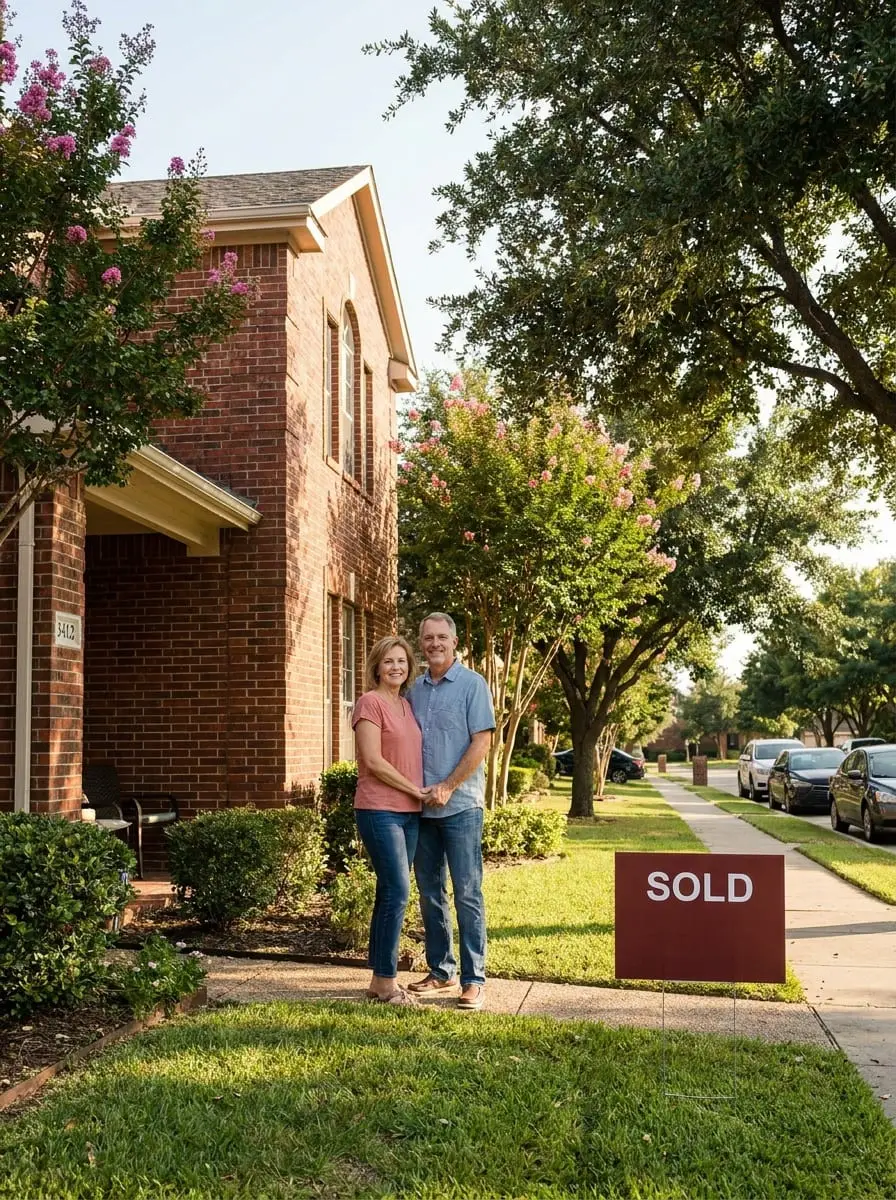
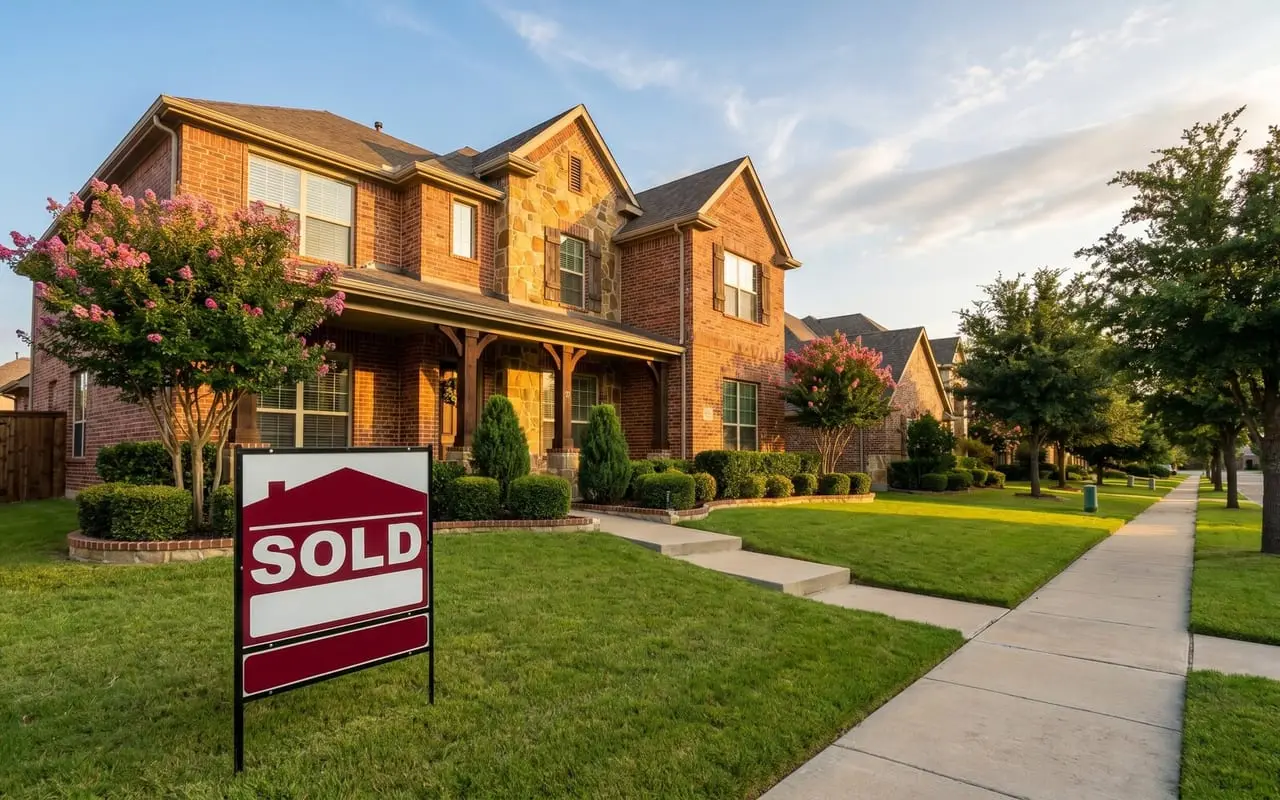
A sale-ready listing is doing three things at once: tight curb appeal, a clean and staged interior, and a SOLD sign that lands within the first listing window. These are the moves that get you there.
Market Pricing vs. Aspirational Pricing
The most expensive pricing mistake in Fort Worth is starting 5% too high. The market punishes it inside the first 14 days and the price drop almost always lands below the original CMA range.
The right move
Price the listing inside the CMA range on day one. The first 14 days drive 80% of buyer activity, and an honest list price wins offers near ask. Starting 5% high almost always ends with a price drop below the original CMA range.
Fort Worth Seller-Cost Calculator
Use this calculator to see your net proceeds at any list price. Type in the price, adjust the commission and concession levers, and the math returns your estimated check at closing, after commission, title insurance, fees, and your mortgage payoff.
Sale assumptions
Estimated net proceeds
Estimate only. Final closing-cost detail comes from your title company's preliminary settlement statement. Prep costs (cleaning, staging, repairs, pre-listing inspection) typically add $5,000 to $10,000 in a traditional listing and are covered by me at $0 to the seller.
The Texas Seller Legal Checklist
Most disclosure lawsuits come from what sellers leave out, not what they get wrong. Here is what every Tarrant County listing needs to cover, and the moves that land sellers in trouble.
Do this
- ✓ File the TREC Seller's Disclosure Notice. It covers known defects, prior repairs, foundation work, roof age, and flood history. Required even on as-is sales.
- ✓ Order the HOA resale certificate early ($200 to $500). Most associations need 10 to 14 days, and title cannot fund without it.
- ✓ Confirm whether your home sits in a MUD or PID. If so, the notice goes on the contract with specific bond and tax-rate language.
- ✓ Pull your homestead exemption status and current property-tax statement so proration math is clean at closing.
- ✓ Keep written records of every repair, replacement, and permitted improvement from the last 7 years.
Avoid these
- ✕ Selling "as-is" without a written disclosure. As-is limits warranties, not the legal duty to disclose known defects.
- ✕ Skipping the lead-based-paint disclosure on any home built before 1978. Federal rule; not optional.
- ✕ Letting an unrepresented buyer write their own contract on a back-of-napkin form. TREC promulgated forms are the only safe paper.
- ✕ Verbal handshakes on what stays and what goes. Refrigerator, washer-dryer, mounted TVs, curtain rods: all of it goes in writing.
- ✕ Closing before you confirm property-tax proration, HOA dues proration, and homestead exemption transfer in escrow.
Texas Seller Glossary
The terms your title officer and listing agent will use in the first 10 minutes of the engagement. Underlined terms in this guide link back here.
Term
CMA
Comparative Market Analysis: the side-by-side pricing model your agent builds from recent sold, pending, and active comparable homes. Drives the day-one list price.
Term
TREC
Texas Real Estate Commission: the state body that writes the contracts every Texas residential sale runs on. The forms are free; the expertise to use them is not.
Term
Option Period
A short window (usually 5 to 10 days) after contract execution when the buyer pays an option fee for the unrestricted right to terminate. Negotiated on every deal.
Term
Earnest Money
Buyer's good-faith deposit, typically 1% of price, held by the title company. Released to the seller if the buyer defaults outside contract terms.
Term
Seller's Disclosure
A TREC form listing known defects, repairs, and property conditions. Required by Texas law and surfaced to every buyer before contract.
Term
MUD / PID
Municipal Utility District / Public Improvement District. Special taxing entities that add to the property-tax bill and require a specific contract notice.
Term
Appraisal Gap
The difference between contract price and appraised value when the appraisal comes in low. The contract specifies who absorbs the gap; it is usually negotiated up front.
Term
Title Insurance (Owner's)
A one-time premium (roughly 0.58% of sale price in Texas) that protects the buyer against title defects. Customarily paid by the seller in Texas.
Walk in informed
Book a free 10-minute call and walk away with a price and a timeline.
I walk your home, run the comps inside your zip code, and tell you what the home will list for in May 2026. If the call wastes your time, I Venmo $100 before we hang up.
Cancel-anytime listing agreement, no lock-in.
Frequently Asked Questions
The questions that come up on the first seller call, with the honest answers.
How much does it cost to sell a house in Fort Worth?
Total seller costs land between 8% and 12% of the sale price. On a $325,000 Fort Worth home, that is roughly $26,000 to $39,000 in commission, owner's title insurance, title service fees, recording fees, and buyer concessions. Texas charges $0 transfer tax, which is one line item the seller actually wins on. Prep costs (cleaning, staging, repairs, pre-listing inspection) typically add another $5,000 to $10,000 in a traditional listing; with me they do not.
When is the best time of year to list a Fort Worth home?
Spring is the strongest window. March through May produces the most showings, the highest offer counts, and the tightest days-on-market. September picks up again after schools settle. Holiday-window listings (Thanksgiving through New Year's) historically sell for 2 to 4% less and take 25 to 40 days longer. Pricing accuracy matters more than seasonality in any window.
Should I make repairs or sell as-is?
It depends on the gap. A pre-listing inspection makes the call honest. Repairs that average $5,000 in spend often add $12,000 to $18,000 in final sale price; cosmetic refresh (paint, landscaping, light fixtures) typically returns 80 to 120%. True as-is sales close 7 to 14 days faster but transact 10 to 20% below market. Texas disclosure law applies either way.
How long does it take to sell a house in Fort Worth in 2026?
Plan on 60 to 75 days from listing day to closing day. Pre-listing prep adds 4 to 6 weeks before that. Move-in-ready homes priced accurately attract offers within 18 to 35 days; the broader Fort Worth average is 56 to 65 days on market. About 27.4% of Fort Worth homes take a price drop along the way, so accurate pricing is the difference between the first window and the long window.
What does Conner cover that other listing agents bill for?
Cleaning crew, professional staging, yard work, minor repairs, and the pre-listing inspection (~$600 on its own) are all on me. Professional photography and the smart-lockbox showings system are included. The $500 moving credit lands at closing. I also write a cancel-anytime clause into the listing agreement: no 6-month lock-in, no termination fee, send a text and the listing comes down that day.
How does property-tax proration work at closing in Texas?
Texas property taxes are billed in arrears and paid in January for the prior calendar year. At closing, the title company prorates the unpaid portion to the closing date and credits the buyer. Combined Tarrant County rates run roughly 2.0 to 2.2%. Your homestead exemption stays on the home for the rest of the calendar year; you re-file at your next primary residence.
Do I have to disclose problems on an as-is sale?
Yes. The TREC Seller's Disclosure Notice is required on virtually every Texas residential sale. "As-is" limits warranty obligations but does not erase the legal duty to disclose known material defects. Foundation work, prior flooding, active leaks, and pest damage all go on the form. Most disclosure lawsuits come from omitted issues, not surfaced ones.
About Conner

Fort Worth Realtor · TX License NTREIS-0704632
Conner Nielsen
Conner is a Fort Worth–based residential agent representing buyers and sellers across Dallas, Tarrant, Ellis, Parker, Johnson, Collin, Wise, and Denton Counties. He works under Close Real Estate (broker John Hill, Fort Worth) and has 102 verified transactions on record. His listing program covers cleaning, staging, yard work, and the pre-listing inspection at $0 to the seller, writes a cancel-anytime clause into every listing agreement, and pays $500 in moving credit at closing. Twelve other guarantees live on the guarantees page.